

Alcohol Detox and Rehab
When someone begins the detox process it is crucial to get rid of their schedule for the duration of their treatment. They will also need to get support from family members and friends.
Most often, drugs are prescribed to ease uncomfortable withdrawal symptoms. Benzodiazepines are the most popular (like diazepam and chlordiazepoxide).
Medicines
Medications can be used to suppress and reduce withdrawal symptoms. These medications do not treat addiction, but rather assist you in navigating the initial stages of withdrawal. During this time it is important to remember that, despite the medication, you will have to continue with alcohol treatment to get rid of your addiction to alcohol.
A medical professional will prescribe you the right medication for your condition. This will include a thorough review of your health status and drinking habits. They'll also consider any other medications you are taking and an extensive physical examination. They'll then design an alcohol detox plan tailored to your individual needs and goals.
Alcohol withdrawal can be a dangerous and even life-threatening situation, especially when symptoms such as seizures or delirium tremens develop. This is why it's always recommended to seek medical help when beginning to stop drinking. You can be at serious risk if you attempt to quit abruptly. Make sure you do this under the supervision of your physician or therapist.
Benzodiazepines are the most common treatment for withdrawal from alcohol. alcohol detox clinic are sedatives and can be prescribed in different forms, including Librium (chlordiazepoxide) and diazepam (Valium). medical alcohol detox of onset and duration of action, as well as strength of these drugs differ. Barbiturates and other sedatives may be prescribed to treat withdrawal from alcohol but they are not as common because of their high toxicity.
Disulfiram is a different drug that is that is used to detoxify alcohol. This drug works by interfering the enzyme acetaldehyde-dehydrogenase. This causes a violent and unpleasant physical reaction to alcohol consumed while on this medication. This is also referred to by the brand name Antabuse.
Inpatient alcohol detox programs generally require a stay at a hospitals or other facilities for the duration of the program. Although this is the preferred option for many people, outpatient alcohol detox is feasible in the event that your social and home environment supports are stable and you're able be committed to attending a clinic or other treatment center regularly for medication. Outpatient detox is a good choice for those who are less likely to relapse, and are in good physical and mental health.
Monitoring
Many people who suffer from an alcohol-related problem that is serious are also struggling with a co-occurring mental health condition. If this is the case, your treatment provider could use monitoring to track the amount of alcohol and drugs you consume throughout the treatment process. Monitoring can take many forms, including self-reporting, breathalyzers, urinalysis, and so on. It is essential to understand how monitoring works to ensure that you participate effectively in your treatment program.
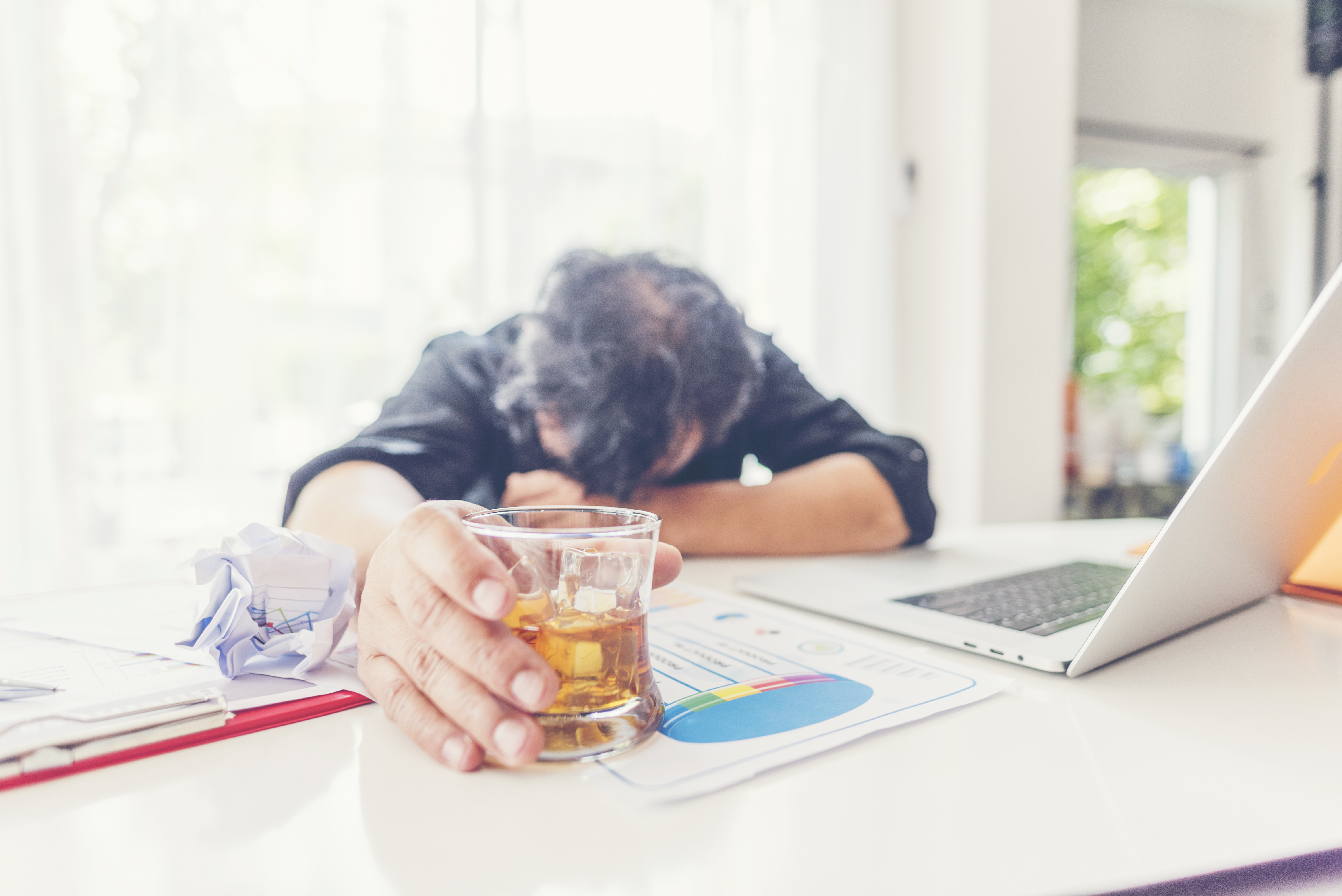
The first step in detoxing from alcohol is generally to stop drinking completely. Some people can accomplish this on their own, but the majority require medical assistance. Your doctor will assess the situation and recommend a method of detox. During this process, you might be given sedatives to help relax you and lessen the severity your withdrawal symptoms. Your doctor will also be monitoring your vital signs and keep you well-informed during this challenging time.
After the detox period then you'll begin the rehabilitation phase of your recovery. In alcohol detox clinic , will be assisted by your treatment team to comprehend the root causes of your addiction and learn new healthy habits. They will also teach you to manage your addiction, and how to prevent relapse.
A significant part of rehabilitation is learning to deal with triggers and stressors that can lead you back to drinking. You will develop an emotional support system and learn new strategies to cope which will allow you to stay sober. You'll be able to recognize the signs of your alcohol cravings and take action before things get out of control.
Monitoring is an essential part of recovery, as it helps you stay accountable for your goal of sobriety. It can help you track and identify obstacles that are preventing your success. It can also help you improve your coping and stress-management skills by allowing you to connect with an online community of recovering addicts.
You'll also need to monitor your alcohol consumption, keep track of your daily activities and eat nutritious meals to maintain your sobriety. You'll need to find an individual mentor and attend meetings on a regular basis. At these meetings, you'll discuss your journey with fellow recovering alcoholics, and get support from them. These meetings also provide an opportunity to discuss any issues you're experiencing in your addiction and work on a plan to move forward.
Therapy
Detoxification is the initial step to overcome an addiction to alcohol. It helps to break the body's dependence on alcohol by removing the chemical components of a person's system that cause an increase in the level of energy when they consume the substance. A medical professional is required to supervise the process. Attempting to detox on your own can be risky and even fatal. It is crucial to seek out treatment for yourself or inpatient care in a facility that is specialized in treating alcoholism.
Inpatient detox centers have a full staff of medical professionals who will monitor your progress and offer medication to ease the discomfort during this difficult time. The medicines utilized during the detoxification process help to keep your body's chemicals in check and reduce the risk of withdrawal symptoms. Benzodiazepines, which can be prescribed as either longer-acting or short-acting medications are the most popular treatment for alcohol detox. Chlordiazepoxide (Librium) and diazepam (Valium) are 2 types of benzos that can be prescribed to treat withdrawal symptoms insomnia, withdrawal symptoms, and muscle spasms.
It can be dangerous for those who are addicted to alcohol to stop drinking without an alcohol detox program or supervision. This can lead to dangerous health complications such as seizures and extreme water loss. Many people who try to detox on their own relapse and become alcoholics again. After completing detox, you can break the cycle by enrolling in an outpatient or inpatient rehabilitation program.
The duration of your detox will depend on the severity of the addiction to alcohol, as well as how much you drink regularly. medical alcohol detox can complete the detox process within three to ten weeks, but this varies from individual to the individual. It could also depend on gender, as men and women experience withdrawal from alcohol in different ways.
Some people opt for a fast or fast detox program to speed up the process. These programs can be more expensive and aren't typically insured, but they can reduce the risk for withdrawal symptoms and other medical issues during the process of detoxification. However, most people who undergo this type of detox will have to deal with cravings and other psychological symptoms when the drugs leave their bodies.
Support
As you begin detox, your doctor will ask you questions regarding your health condition and past use of alcohol and other substances. Even if the questions seem difficult, you may be asked to answer honestly them. The information you provide will be used to determine the most suitable method for you.
During detox, you will likely be offered a range of medications to ease withdrawal symptoms. These include benzodiazepines like lorazepam, as well as anticonvulsants such as carbamazepine. You could also receive antidepressants like nefazodone and antipsychotics, such as Olanzapine, to treat withdrawal symptoms that can be linked to anxiety or depression. Relapse prevention medications, like acamprosate or naltrexone are frequently used to lessen the craving for alcohol.
During this period, you will be checked regularly. Your temperature, heart rate and blood pressure will be monitored, as well as your breathing. Your doctor will also look for any possible problems like seizures or delirium, which can be very dangerous.
Once the detoxification process has been completed, you are now ready to begin your rehabilitation. You may choose long-term residential rehab where you live on the campus of the rehab facility or you can opt for outpatient rehabilitation. This means you attend sessions of therapy during the daytime, and then return home at the end of the night.
There is no clear evidence that one treatment is more beneficial than the other for long-term recovery, but some people find it helpful to combine the two. No matter which rehab program you choose, it is crucial to keep in mind that addiction treatment isn't an easy fix. To get the results you want requires patience, time and a lot of hard work.
Detox isn't always pleasant However, it's a vital step for anyone suffering from AUD. You can make it through this difficult period with the right support system and then begin an active, healthy life in rehab. Once you're clean, you can enjoy the best of life. Begin your recovery from addiction today! Click here to find out more about rehab treatment options.